Corn Snake


Corn Snake Handling & Body Language Guide
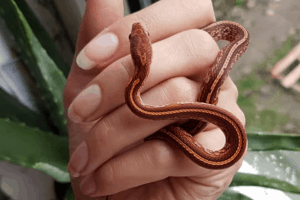
Wash your hands before touching your corn snake. Put one hand under the head and the other towards the tail. Do not handle it for more than 15 minutes.

Rat Snake vs Corn Snake (Differences & Similarities)
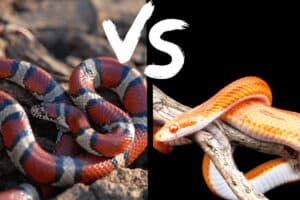
Rat snakes are medium-large constrictor snakes found in the Northern Hemisphere. They live for over 30 years in captivity and are docile pets. Corn snakes are part of the rat snake family. They have orange or brown bodies and checkered bellies. They live for 23 years in captivity.

Do Corn Snakes Hibernate & Brumate?
Corn snakes are ectotherms. It means they can’t generate their body heat. When the outside temperature drops, they enter a state of dormancy called brumation. They hide in burrows and limit their movement until it’s warm again.

Corn Snake vs Copperhead (Differences & Similarities)
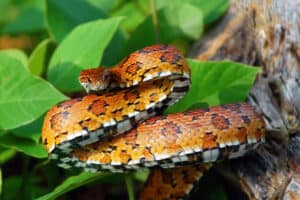
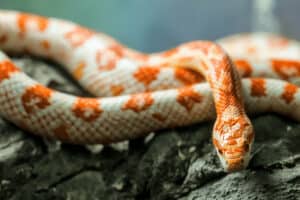
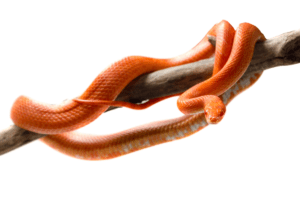
Corn snakes are orange-brown, non-venomous snakes with slender bodies. Copperhead snakes are venomous and strike when you touch them.

Male vs Female Corn Snakes (Comparison Of Size, Personality, Temperament & More)
Male corn snakes grow larger and have longer tails. Females are slightly smaller and have shorter tails. Both males and females have good personalities and are docile and easy to handle.

Why Corn Snakes Do & Do Not Make Great Pets [Pros & Cons]
A corn snake is an excellent reptile pet choice. He’ll live a decently long life, grow to the perfect size, and stay calm in most conditions. But he is also high maintenance—in terms of housing and live food.

Blood Red Corn Snake Morph (Characteristics & Need-to-knows)
What must you know about blood red corn snakes before purchasing one? Up next, we’ll be discussing the blood red corn snake’s color variations, genetics, feeding habits, and more.

Anerythristic Corn Snake (Morph Traits, Facts, & Info)
Anerythristic, or anery, means lacking the red pigment that gives corn snakes their bright hues. It is why anerythristic corn snakes are gray and black in color.

Are Corn Snakes Nocturnal Or Diurnal?
Corn snakes can exhibit both sleeping patterns. It means they sleep during the day and night, both. They are crepuscular – most active during the twilight hours.

Can Corn Snakes Live Together? (What Happens?)
Corn snakes are solitary animals in the wild. To avoid aggression and cannibalism, keep your corn snakes in separate enclosures.

Why Corn Snakes Rattle Their Tails (Wannabe Rattlers?)
Corn snakes are nonvenomous. It makes them more prone to predators in the wild. And so, they make buzzing, rattling sounds by vibrating their tails to warn potential predators away.

How Big Do Corn Snakes Get? (Growth Chart & Habitat Tips)
Most corn snakes measure between 61 and 182 cm (24 and 72 inches).
But if you do not care for your corn snake properly, he will not grow to his full potential.

Corn Snake Care Sheet (The Ultimate Step-by-Step Guide)
Adult corn snakes measure between 61 and 182 cm and live for 10 to 15 years in captivity. Keep them in a 40-gallon tank in 40 to 50% humidity with the right substrate, and accessories.

What Do Corn Snakes Eat? [A Comprehensive Diet Guide]
Coming up next, we’ll be going into detail about corn snake food quantities and frequencies. We’ll even list some of the food they definitely shouldn’t eat.

How Much Does A Corn Snake Cost (To Buy & Raise)
Corn snakes cost $30 to $100 to buy. The initial costs of the snake come to between $125 and $155. The cost of the snake after the first year is between $200 and $400 per year.

Are Corn Snakes Poisonous Or Dangerous?
Corn snakes are non-venomous and do not have sharp fangs. So why do people often think corn snakes are dangerous?